Checking Out Compression Therapy: How It Enhances Recovery and Reduces Swelling
Compression therapy has gained attention for its role in recovery and swelling decrease. By making use of specifically made garments, it uses controlled pressure to the body. This process boosts blood flow and aids lymphatic water drainage. Because of this, people may experience reduced muscular tissue soreness and increased recovery. The intricacies of exactly how it functions and its broader applications continue to be to be explored additionally.
Comprehending Compression Therapy: The Fundamentals
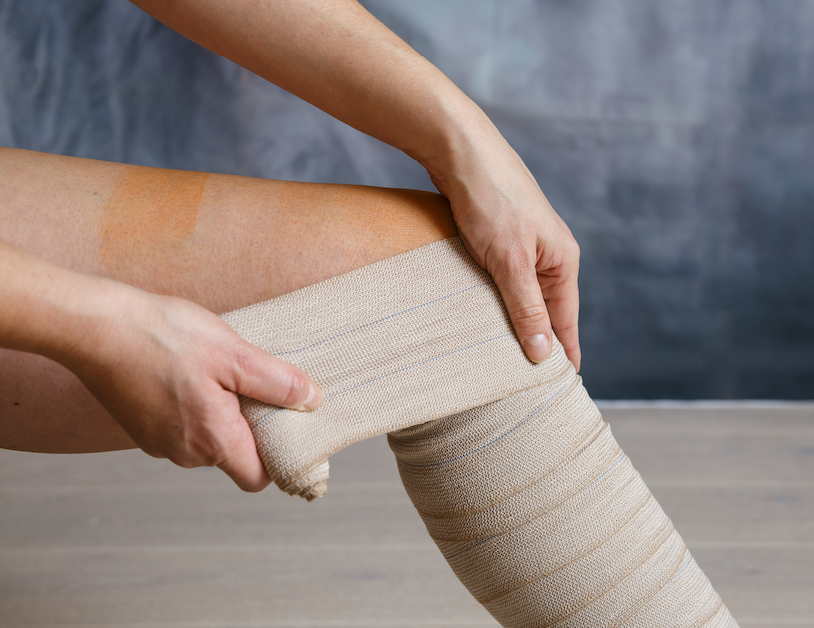
Compression therapy, while usually forgotten, plays a crucial role in the recovery process for various clinical problems. This restorative method entails applying regulated stress to certain locations of the body, generally with specialized bandages or garments. The primary goal is to enhance blood flow and reduce swelling, making it particularly beneficial for people recouping from surgical treatment or taking care of chronic conditions such as lymphedema or venous deficiency.
Compression therapy can be identified into various types, consisting of static and dynamic compression, each serving special objectives based on the individual's needs. For example, static compression is usually utilized post-operatively to stop blood clots, while dynamic compression might aid athletes in enhancing efficiency and recuperation. In spite of its advantages, appropriate fitting and application are crucial to assure effectiveness and avoid problems. Generally, compression therapy remains an important device in the ball of clinical recuperation, adding significantly to individual results.
The Scientific Research Behind Compression Therapy
Mechanism of Activity
Using graduated stress, compression therapy boosts venous return and lymphatic drain within the body. The therapy applies varying levels of pressure to the arm or legs, with the highest possible pressure at the extremities and progressively reducing towards the upper body. This design helps propel blood and lymph fluid back in the direction of the heart, lowering the merging of fluids in cells. The pressure additionally stabilizes the muscle and soft cells, decreasing the threat of injury during activity. By promoting effective flow, compression therapy help in the elimination of metabolic waste products, which can build up during durations of inactivity or injury. This device eventually sustains the body's natural healing processes, producing an atmosphere helpful to recovery and total cells wellness.
Benefits for Healing
The application of finished stress not only enhances venous return and lymphatic water drainage yet additionally offers countless advantages for recuperation. Compression therapy can substantially decrease muscle mass pain and fatigue, promoting a quicker go back to come to a head performance levels. By boosting blood flow, it delivers essential nutrients and oxygen to cells, advertising recovery and decreasing inflammation. Research study shows that professional athletes utilizing compression garments experience lowered recuperation times after intense workouts or injuries. Furthermore, compression therapy help in the avoidance of venous problems, which can additionally sustain total recovery. This restorative approach is especially useful for those taken part in extensive exercise, permitting them to keep their training routines while reducing the threat of overuse injuries.
Advantages of Compression Therapy for Healing
Compression therapy provides considerable advantages for recuperation, primarily with enhanced blood flow. This enhanced circulation can result in minimized muscle discomfort, advertising faster recovery times for individuals and athletes alike. By addressing these vital elements, compression therapy has become an important tool in recuperation methods.
Improved Blood Flow
Boosted blood flow plays a crucial role in the healing procedure, specifically for professional athletes and those recouping from injuries. Compression therapy successfully promotes improved blood circulation by applying finished pressure to the arm or legs, which aids to enhance venous return. This boosted flow helps with the delivery of oxygen and nutrients to muscular tissues, allowing them to repair and restore more successfully. In addition, reliable blood circulation help in the removal of metabolic waste products from the tissues, further sustaining the recovery procedure. By improving circulation, compression therapy can add to a quicker and extra effective recuperation, permitting individuals to go back to their activities with minimized downtime. In general, the advantages of enhanced blood circulation via compression therapy are significant for excellent healing results.
Minimized Muscle Discomfort

Compression Therapy for Sports Injuries
Many professional athletes transform to compression therapy as an efficient method for managing sporting activities injuries. This technique involves using controlled pressure to certain body parts, which can help in reducing swelling and promote faster recuperation. Compression garments, such as sleeves or wraps, are commonly made use of during and after physical task to improve blood flow. Enhanced circulation aids in supplying oxygen and nutrients to damaged tissues, promoting the healing process.
Additionally, compression therapy can minimize pain and pain connected with severe injuries, such as Compression strains or strains, by maintaining the afflicted location. This stability can stop more injury while allowing professional athletes to keep a level of activity. When integrating compression therapy into their rehab regimens, numerous athletes report a significant reduction in recuperation time. In general, compression therapy acts as an important tool for professional athletes looking for to recoup effectively from sports-related injuries and return to their sport with self-confidence.
Handling Persistent Swelling With Compression
While chronic swelling can significantly affect everyday tasks and overall lifestyle, compression therapy uses a reliable remedy for managing this condition. Canadian Ortho. This therapeutic method uses specially developed garments or gadgets that use constant pressure to affected locations, advertising boosted blood circulation and lymphatic water drainage. By boosting blood circulation, compression therapy assists to minimize excess fluid accumulation, which is typically the source of persistent swelling
Research indicates that individuals suffering from conditions such as lymphedema, venous deficiency, or post-surgical swelling can benefit substantially from this therapy. Normal use compression can cause lowered pain, boosted movement, and a better top quality of life. In addition, it may aid in avoiding additional difficulties related to persistent swelling, such as skin infections or cells damage. Overall, compression therapy works as an important device in handling chronic swelling, providing patients alleviation and an improved feeling of wellness.
Choosing the Right Compression Wardrobe
Picking the proper compression garments is essential for taking full advantage of the benefits of compression therapy. These garments can be found in numerous kinds, including sleeves, stockings, and covers, each created for certain areas of the body. When picking a garment, it is crucial to assess the degree of compression needed, which is generally gauged in millimeters of mercury (mmHg) Higher levels supply more support yet might not be suitable for everyone.
The fit of the garment plays a vital role in its performance; it ought to be snug yet not overly restrictive. Canadian Ortho. It is recommended to get in touch with a health care specialist to determine the proper size and compression degree based on individual requirements and case history. In enhancement, the product and breathability of the material can affect comfort during use. Eventually, picking the appropriate compression garments can significantly improve healing and minimize swelling, promoting an extra efficient restorative experience
Incorporating Compression Therapy Into Your Routine
Incorporating compression therapy right into a day-to-day regimen can greatly enhance healing and total well-being. People can begin by choosing proper compression garments that match their way of living, such as sleeves for details tasks or complete leg stockings for all-day wear. It is crucial to establish a consistent routine, integrating compression therapy during workouts, after physical exertion, and even throughout pause to maximize its benefits.
Progressively enhancing the period of usage can assist the body change, permitting peak performance. Coupling compression therapy with hydration and appropriate nourishment can better sustain healing procedures. Additionally, people ought to routinely assess their convenience levels and the fit of their garments to ensure they are receiving the desired benefits. By making compression therapy a staple in their wellness program, people can experience decreased swelling, improved blood circulation, and improved healing, ultimately leading to far better performance and high quality of life.
Frequently Asked Concerns
Can Compression Therapy Be Used While Pregnant?
Compression therapy can be securely utilized throughout pregnancy to reduce swelling and discomfort. However, it is important for expectant individuals to seek advice from healthcare specialists to guarantee proper use and prevent possible complications.
Exist Any Type Of Side Effects of Compression Therapy?
Compression therapy can result in adverse effects such as skin irritation, discomfort, or reduced blood circulation if incorrectly used. Individuals must speak with medical care experts to assure appropriate use and lessen possible adverse reactions.
Exactly how Often Should I Make Use Of Compression Garments?
Compression garments need to be made use of routinely throughout the day, normally for numerous hours, especially during activities or post-exercise. Individuals are encouraged to comply with certain standards given by healthcare specialists for ideal outcomes and convenience.
Can Compression Therapy Aid With Varicose Veins?
Compression therapy can assist with varicose capillaries by enhancing blood circulation, reducing swelling, and relieving pain. It provides assistance to the influenced veins, possibly alleviating signs and protecting against the condition from worsening over time.
Is Compression Therapy Ideal for Any Age Groups?
Compression therapy is generally ideal for different age groups, yet individual demands might differ. Consulting a medical care expert is important to establish relevance, making sure safety and effectiveness for every person's details health problems and scenarios.
Compression therapy can be categorized right into different types, including dynamic and fixed compression, each serving distinct purposes based on the person's needs. Static compression is often utilized post-operatively to prevent blood clots, while vibrant compression may help professional athletes in improving efficiency and healing. Compression therapy supplies substantial benefits for recuperation, mainly through enhanced blood flow. By boosting circulation, compression therapy can contribute to a quicker and more efficient recuperation, allowing individuals to return to their tasks with lowered downtime. Picking the appropriate compression garments is vital for maximizing the benefits of compression therapy.